 簡體中文
簡體中文 English
Introduction:
When it comes to protecting electronic devices from environmental threats, two key standards are frequently cited: ISO 20653 and IEC 60529. These standards define the criteria for shielding electronic equipment enclosures from dust, water, and other foreign particles. This article provides an in-depth comparison of ISO 20653 and IEC 60529, emphasizing their commonalities, distinctions, and specific uses across various industries.
ISO 20653:
ISO 20653, formally known as “Road Vehicles – Degrees of Protection (IP-Code) – Protection of Electrical Equipment against Foreign Objects, Water, and Access,” is an international standard created by the International Organization for Standardization (ISO). This standard primarily addresses the automotive industry, establishing guidelines and testing procedures to assess the protection level offered by enclosures for electrical components exposed to a variety of external conditions.
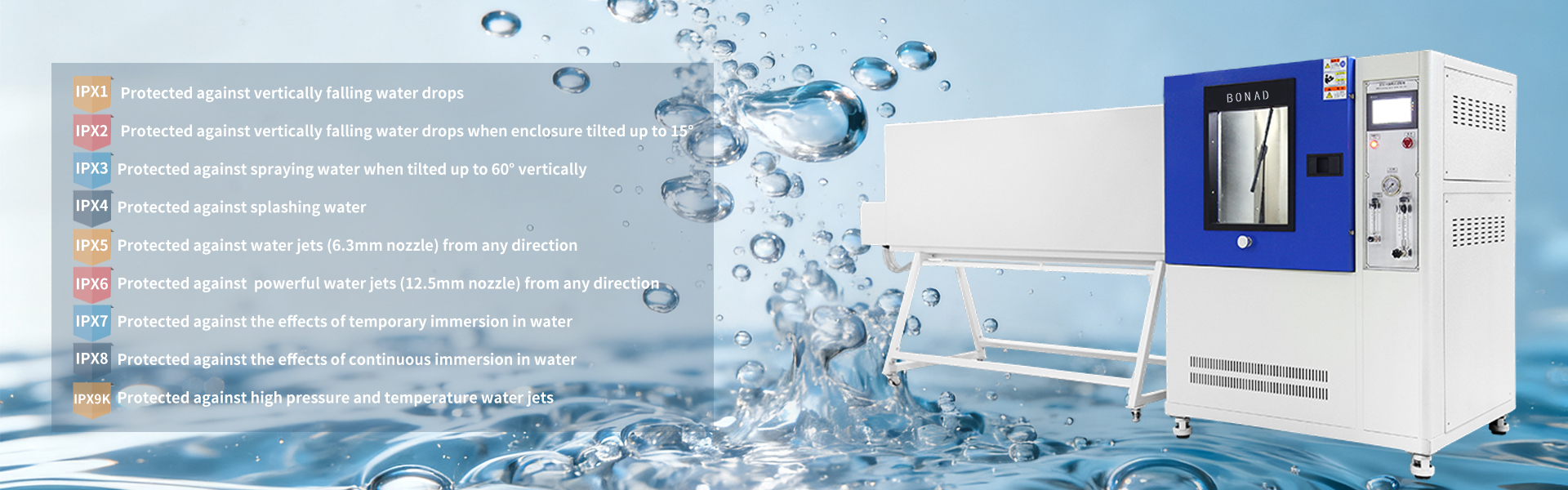
The IP-Code system defined by ISO 20653 consists of two digits: the first digit signifies protection against solid foreign objects, while the second digit denotes protection against water ingress. Additionally, optional letters can be added to indicate specific conditions such as resistance to corrosion, extreme temperatures, or mechanical impacts.
IEC 60529:
IEC 60529, published by the International Electrotechnical Commission (IEC), is an international standard that specifies the degrees of protection provided by enclosures for electrical equipment against solid objects and water ingress. Unlike ISO 20653, IEC 60529 spans a broader range of industries including automotive, industrial, medical, and consumer electronics.
Similar to ISO 20653, IEC 60529 employs an IP-Code comprising two digits to indicate protection levels against solid objects and water. However, IEC 60529 also includes additional special codes that specify protections against access by tools, wires, or hazardous parts.
Key Differences between ISO 20653 and IEC 60529:
While both standards use the IP-Code system for classification, they differ in scope and specific requirements.
Scope: ISO 20653 is specifically designed for the automotive sector to ensure that electrical equipment in road vehicles is shielded from external elements. Conversely, IEC 60529 has a wider application range covering multiple sectors where electrical equipment is utilized.
Additional Protection Levels: IEC 60529 introduces extra special codes for protections such as access prevention to hazardous parts or ingress by wires and tools. This detailed categorization allows for more precise specification of required protection levels.
Test Methods: Although both standards provide test methods for assessing enclosure protection levels, there are differences in test conditions and procedures due to varying industry-specific requirements and environmental conditions.
Conclusion:
In conclusion, both ISO 20653 and IEC 60529 play crucial roles in ensuring the protection of electrical equipment from external factors. While ISO 20653 focuses on automotive applications, IEC 60529 offers broader applicability across different industries. Understanding these differences assists manufacturers in selecting the appropriate standard that aligns with their industry needs. As technology progresses and reliance on electronic systems increases across various sectors, adherence to these standards becomes essential for protecting equipment and ensuring reliable operation in diverse environments.


